Author: Morgan Samson

  • Exploring the Outdoors: The Best Parks in Edwardsville IL

    Exploring the Outdoors: The Best Parks in Edwardsville IL

    [et_pb_section][et_pb_row][et_pb_column][et_pb_text]

    There’s something timeless about the simple pleasure of spending time outdoors. In Edwardsville, IL, that pleasure is elevated by the abundance of well-maintained, scenic parks that offer everything from family fun and quiet strolls to biking, fishing, and cultural enrichment. For anyone exploring the possibility of putting down roots here, the variety and quality of parks in Edwardsville, IL, are not just a bonus—they're part of what makes life in this community so rewarding.

    1) Leclaire Park: A Historic Lakeside Retreat

    Nestled in one of Edwardsville’s most charming neighborhoods, Leclaire Park blends historical significance with peaceful outdoor recreation. The park’s tranquil lake, shaded picnic areas, and walking paths make it a favorite spot for relaxed weekend afternoons. It’s also home to the annual Leclaire Parkfest, a fall tradition that celebrates local heritage with music, food, and crafts. Whether you’re walking your dog or enjoying a sunset over the lake, Leclaire Park delivers a distinct small-town charm that’s hard to replicate.

    2) Edwardsville Township Community Park: A Central Hub for Family Fun

    Affectionately known to locals as Airplane Park due to the vintage aircraft on display, Edwardsville Township Community Park is one of the most family-friendly parks in Edwardsville, IL. This park is packed with playgrounds, sports fields, picnic shelters, and open green spaces perfect for flying kites or playing catch. With easy access and ample parking, it’s a reliable go-to for birthday parties, community events, or spontaneous outdoor adventures.

    Parks in Edwardsville, IL

    3) Watershed Nature Center: A Hidden Gem for Nature Lovers

    For those seeking a deeper connection with nature, the Watershed Nature Center offers a peaceful escape. This preserved wetland habitat features boardwalk trails, wildlife observation areas, and native plant gardens. It’s a living classroom for ecology and conservation—and a tranquil retreat just minutes from the city center. Visitors can often spot turtles, deer, and migratory birds, making it a favorite among photographers and families alike.

    4) Leon Corlew Park & Splash Pad: Summer’s Favorite Destination

    During the warmer months, Leon Corlew Park becomes the heartbeat of summer fun. Its splash pad is a major draw for kids, while parents enjoy shaded seating areas and nearby walking trails. Beyond water play, the park includes a large playground, basketball courts, and a community garden. It’s one of the most inclusive and thoughtfully designed parks in Edwardsville, IL, often bustling with neighbors enjoying the sunshine.

    5) Joe Glik Park: A Versatile Space for All Ages

    Joe Glik Park offers something for just about everyone. Whether it’s taking a morning run along its paved trails, playing disc golf, or bringing kids to the colorful playground, the park strikes a balance between activity and relaxation. Its expansive green space also hosts events like outdoor yoga and seasonal festivals. The accessibility and variety here make it a cornerstone of Edwardsville’s outdoor offerings.

    6) Rotary Park: Simplicity and Serenity in the City

    Tucked away just off downtown Edwardsville, Rotary Park is a smaller, quieter space that caters to those looking for a peaceful outdoor experience. A winding trail loops through the park, and mature trees offer ample shade for reading or reflective walks. The park also features a lovely gazebo, which is often used for small gatherings and photo ops. It’s a great example of how even the more modest parks in Edwardsville, IL, offer meaningful outdoor moments.

    Parks in Edwardsville, IL

    7) Plum Street Park: A Pocket Park with Big Personality

    Located in the heart of town, Plum Street Park proves that great things can come in small packages. This urban green space features artistic landscaping, benches, and native plantings, creating a calm spot to take a break between errands or meet a friend for coffee. It’s part of Edwardsville’s growing commitment to walkability and vibrant public spaces, and it adds a thoughtful touch of greenery to everyday life.

    Why Parks in Edwardsville, IL Add So Much Value to Life Here

    Access to beautiful, well-maintained parks says a lot about an area's quality of life. The parks in Edwardsville, IL, offer residents opportunities for health, connection, and exploration right outside their front doors. Whether you love the sound of kids playing at a splash pad or the quiet of a wooded trail, there’s a place here that fits your lifestyle. These spaces foster a sense of community and offer a preview of what day-to-day life feels like in Edwardsville: connected, active, and surrounded by natural beauty.

    As someone who has helped hundreds of families find homes in this area, I know how often outdoor spaces factor into those decisions. Proximity to a favorite park or trail can transform a house into a home. And when the neighborhood itself feels like an extension of your living space, settling in becomes a joy, not a chore.

    Discover Life Near the Parks of Edwardsville

    Whether it’s morning walks at Leclaire Lake, afternoons at the splash pad, or weekend hikes through the Watershed Nature Center, the parks in Edwardsville, IL are more than just places to visit—they're part of the lifestyle here. They shape the rhythms of community life and reflect the town’s commitment to wellness, connection, and environmental care.

    If you're imagining your next chapter here, don’t hesitate to reach out. I’d love to help you find the perfect place to start it.

    [/et_pb_text][/et_pb_column][/et_pb_row][/et_pb_section]

  • Eat Like a Local: The Tastiest Places to Eat in Edwardsville IL

    Eat Like a Local: The Tastiest Places to Eat in Edwardsville IL

    [et_pb_section][et_pb_row][et_pb_column][et_pb_text]

    There’s something special about getting to know a place through its food. Whether you’re taking your first steps toward planting roots or simply exploring what makes Edwardsville, IL, feel like home, discovering the local dining scene is a flavorful way to connect with the community. The variety of places to eat in Edwardsville not only reflects the town’s welcoming spirit but also its blend of small-town charm and culinary sophistication.

    Nestled in the heart of Madison County, Edwardsville offers a vibrant mix of eateries that cater to every craving, from gourmet farm-to-table meals to casual comfort food that feels like it came straight from Grandma’s kitchen. If you’re thinking about making this area your home, knowing where to eat like a local is more than just fun—it’s part of understanding what daily life here feels like.

    1) Peel Wood Fired Pizza

    Peel Wood Fired Pizza is one of Edwardsville’s most celebrated restaurants, and with good reason. Its upscale yet laid-back vibe is perfect for a Friday night out or a relaxed Sunday lunch. The wood-fired ovens produce signature pizzas with crisp, slightly charred crusts and inventive toppings, like pear and gorgonzola, or chipotle chicken with roasted corn. But Peel doesn’t stop at pizza. Their rotating seasonal menu also features elevated entrées, creative small plates, and local craft beers brewed in-house, which makes it one of the best places to eat in Edwardsville.

    2) 1818 Chophouse

    If you’re looking to celebrate a special occasion or just enjoy a refined night out, 1818 Chophouse delivers a steakhouse experience that rivals city hotspots. The restaurant prides itself on high-quality cuts of meat, artfully plated seafood, and a wine list curated to impress. While the ambiance leans upscale, the atmosphere remains approachable—an ideal match for Edwardsville’s blend of elegance and hospitality.

    Places to eat in edwardsville

    3) Cleveland-Heath

    In the heart of downtown Edwardsville, Cleveland-Heath offers globally inspired comfort food crafted with local ingredients. It’s the kind of place where fried chicken and short ribs are elevated by careful technique and creative flavor combinations. The interior is cozy and welcoming, with exposed brick walls and warm lighting that make every meal feel intimate. Cleveland-Heath is one of the go-to places to eat for Edwardsville locals who appreciate thoughtful food without pretense.

    4) Doc’s Smokehouse

    Barbecue lovers will feel right at home at Doc’s Smokehouse. With its hearty portions and low-and-slow cooking methods, Doc’s delivers smoked brisket, pulled pork, and ribs that have earned loyal fans across the region. The sides—like smoked gouda mac and cheese or pit beans—are just as satisfying. This is the kind of place where you roll up your sleeves and dig in, surrounded by the rich aroma of hickory wood and spice rubs.

    5) Wang Gang Asian Eats

    For a bold break from traditional Midwestern fare, Wang Gang Asian Eats serves up inventive, fast-casual Asian fusion with flair. Think orange chicken tacos, Thai basil stir-fry, and Korean BBQ rice bowls. Their focus on fresh ingredients and from-scratch sauces means every dish pops with flavor. Needless to say, it’s one of the most popular places to eat for families, college students, and anyone in Edwardsville who wants something a little different—without leaving town.

    6) The Foundry Public House

    Combining elevated pub fare with a rustic industrial aesthetic, The Foundry Public House is a favorite gathering spot for locals. The menu features familiar favorites with modern twists—burgers with house-made toppings, truffle fries, and seasonal salads. Their extensive drink menu includes locally brewed beers and handcrafted cocktails, making it a perfect stop for a casual dinner or weekend brunch with friends.

    Places to eat in edwardsville

    7) Sacred Grounds Café

    Coffee lovers, rejoice. Sacred Grounds Café is a community staple that’s more than just a coffee shop—it’s a hub for connection and creativity. Offering organic, fair-trade coffee and fresh-baked goods, it’s a quiet spot for morning reflection, catching up on work, or meeting a friend for a latte. The cozy atmosphere and rotating art displays add to its local charm.

    8) Goshen Coffee Roasters

    For those who take their coffee seriously, Goshen Coffee Roasters is one of the must-visit places to eat in Edwardsville. Known for sourcing high-quality beans and roasting them in small batches, Goshen serves a robust menu of espresso drinks and pour-over options alongside a few light bites. It’s a great place to start the day, fuel up between errands, or learn a little about the art of coffee from friendly, knowledgeable staff.

    9) Mr. Currys India Restaurant

    Tucked away in a modest storefront, Mr. Currys delivers big flavor with its menu of authentic North Indian cuisine. The lunch buffet is a favorite among locals who crave flavorful curries, fragrant basmati rice, and fresh naan bread. For dinner, you’ll find dishes made to order with a perfect balance of spice and richness. It’s a hidden gem that adds diversity and depth to the Edwardsville dining scene.

    10) Annie’s Frozen Custard

    Of course, no culinary tour of Edwardsville is complete without dessert—and Annie’s Frozen Custard is as beloved as it is delicious. Since 1997, Annie’s has been serving up silky-smooth frozen custard in classic and seasonal flavors. Whether you go for a simple cone or a signature “concrete” blended with your favorite toppings, Annie’s is a local tradition that brings people together.

    Feel at Home at the Best Places to Eat in Edwardsville

    The variety of places to eat in Edwardsville reflects more than just good taste—it reflects a lifestyle. These local favorites help paint a picture of what life is like here: welcoming, vibrant, and full of character. From laid-back lunch spots to upscale dinner destinations, Edwardsville’s food scene offers a little something for everyone, making it one of the many reasons people love to call this place home.

    Knowing the ins and outs of a community goes beyond real estate listings. It’s about understanding the rhythm of daily life and the places that give a neighborhood its soul. As a real estate professional deeply rooted in Edwardsville, I, Angie Daniels, bring that same sense of local insight to every client interaction. Let’s find you a place where you can truly feel at home. I’d love to hear from you. Reach out today.

    [/et_pb_text][/et_pb_column][/et_pb_row][/et_pb_section]

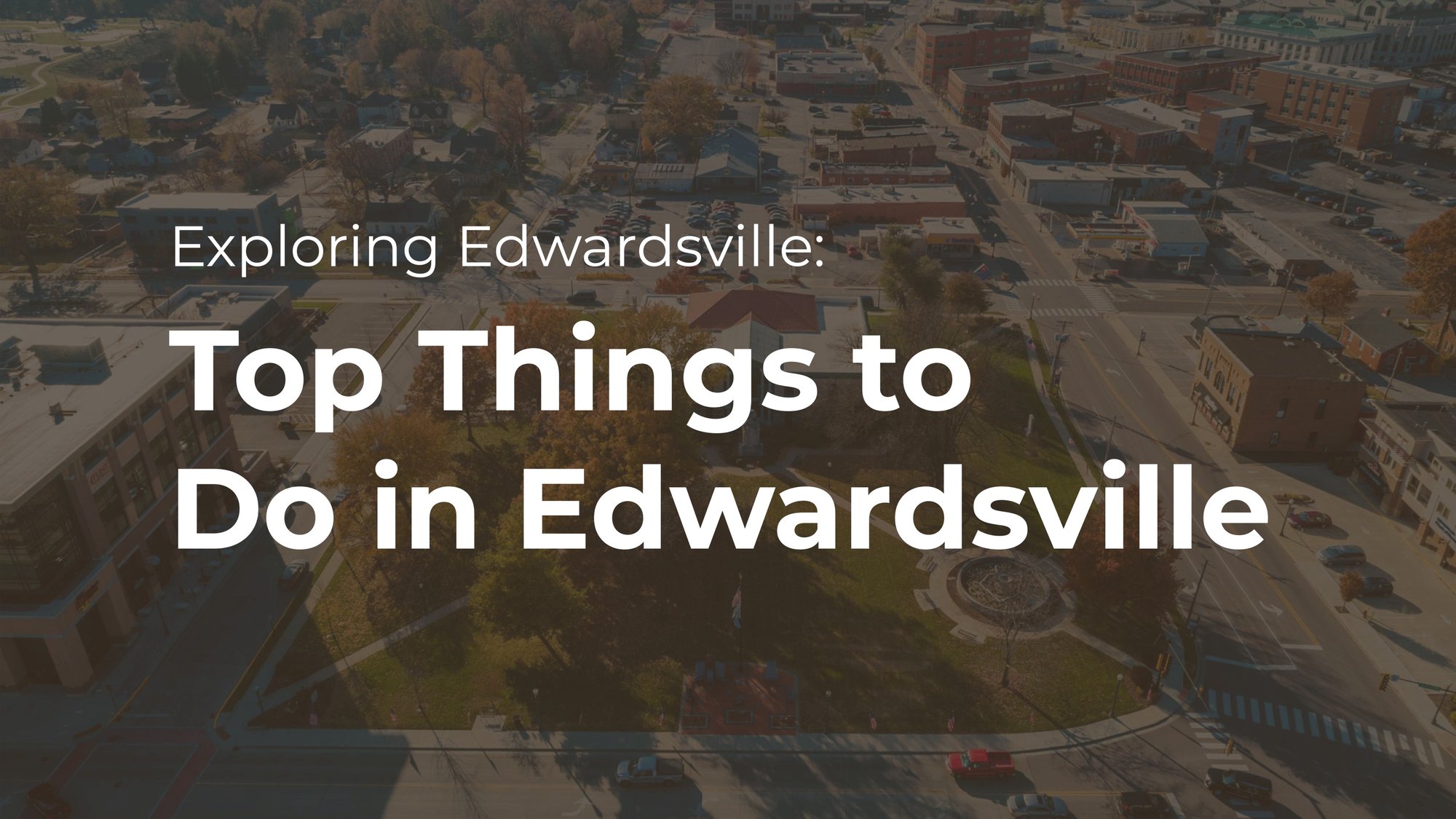
  • Exploring Edwardsville: Top Things to Do in Edwardsville

    Exploring Edwardsville: Top Things to Do in Edwardsville

    [et_pb_section][et_pb_row][et_pb_column][et_pb_text]

    The pace of life in Edwardsville, IL strikes a rare balance—it’s relaxed yet rich with opportunity, deeply rooted yet always growing. One of the many things that make this town feel like home is the abundance of activities that bring people together, whether it’s enjoying the outdoors, learning something new, or supporting local arts and businesses. For anyone looking to connect with the rhythm of daily life, exploring the many things to do in Edwardsville, IL is the perfect place to start.

    From scenic bike trails and historic landmarks to buzzing farmers markets and beloved festivals, this community has something for every season—and every lifestyle. It’s not just about entertainment. It’s about discovering what makes this area feel personal and inviting, and how easily you can imagine yourself becoming part of it.

    1) Ride or Walk the Watershed Nature Center Trails

    Nature lovers will feel right at home with a visit to the Watershed Nature Center. Tucked just minutes from downtown, the preserve offers scenic walking trails, wetlands, prairies, and wildlife observation areas that highlight the region’s natural beauty. It’s peaceful, family-friendly, and free to enjoy, making it a favorite spot for weekend strolls or quiet solo time in nature.

    2) Bike the Madison County Transit Trails

    Edwardsville is known for its bike-friendly infrastructure, and the Madison County Transit Trails connect neighborhoods, parks, and business districts with over 130 miles of scenic paths. Whether you're a serious cyclist, someone who prefers a casual weekend ride, or just looking for adventurous things to do in Edwardsville, IL, the trails make it easy to explore the city from a new perspective. Along the way, you’ll pass through forests, open farmland, and residential pockets that reveal just how interconnected the community is.

    Things to do in Edwardsville, IL

    3) Explore Historic Main Street

    Downtown Edwardsville's Main Street is more than a shopping destination—it's a living snapshot of the town’s history. Original brick buildings house independent boutiques, antique stores, cafes, and galleries. Walking along Main Street gives you a sense of the town’s character: classic, yet vibrant and modern. Community events like Art Walks and holiday markets bring the area to life throughout the year.

    4) Spend the Day at Edwardsville City Park

    Located near the heart of downtown, Edwardsville City Park is a central gathering place for concerts, festivals, and picnics. The lush lawn and historic bandstand give the park a charming, small-town ambiance that’s ideal for a lazy summer afternoon or a family outing. If you’re looking for things to do in Edwardsville, IL, the park also hosts events like the Edwardsville Art Fair and traveling food truck festivals, which draw in both locals and visitors.

    5) Visit The Edwardsville Children’s Museum

    Perfect for younger families, the Edwardsville Children’s Museum offers interactive, hands-on exhibits that encourage learning through play. It’s thoughtfully designed with both education and fun in mind, providing activities related to science, art, health, and local culture. The museum is small enough to feel manageable but rich enough in content to spark curiosity visit after visit.

    6) Catch a Show at the Wildey Theatre

    Originally built in 1909, the Wildey Theatre has been beautifully restored into a live entertainment venue that hosts concerts, film screenings, and theatrical performances. Its historic charm is matched by a diverse calendar of events, from rock bands and jazz nights to classic movie showings and comedy acts. It's one of the cultural cornerstones of Edwardsville, IL, and catching a show here is a favorite evening out for locals, and comes highly recommended to add to your things to do list when you’re in town.

    7) Enjoy Local Flavor at the Goshen Market

    Held weekly from spring through fall, the Land of Goshen Community Market is a true highlight of life in Edwardsville. Farmers, artisans, and food vendors gather downtown to share their goods, creating a colorful and delicious atmosphere where neighbors catch up and support local producers. It's a great way to experience the town's emphasis on sustainability and community pride—plus, you'll leave with some of the freshest produce and best baked goods around.

    Things to do in Edwardsville, IL

    8) Learn Local History at the Madison County Historical Museum

    Housed in the 1836 Weir House, the Madison County Historical Museum brings the area's story to life through exhibits, artifacts, and preserved architecture. You can learn about the early settlement, the region’s role in state history, and even tour rooms restored to their 19th-century appearance. It’s a quiet but fascinating stop that helps tie together the modern charm of Edwardsville with its historic past.

    9) Attend the Edwardsville Route 66 Festival

    Every summer, the Edwardsville Route 66 Festival celebrates the town’s location along the iconic highway with live music, classic cars, food vendors, and family activities. It’s one of the biggest events of the year and one of the most popular things to do in Edwardsville, IL, speaking to the strong sense of heritage and celebration that thrives here. Attending the festival gives you a fun taste of what it means to be part of this community.

    10) Visit Southern Illinois University Edwardsville (SIUE) Arboretum

    The SIUE campus is home to a certified arboretum with walking paths that wind through beautifully maintained gardens, woodlands, and native prairie restoration areas. Whether you're enjoying a quiet afternoon walk or learning about local plant species, the SIUE Arboretum is a peaceful retreat tucked right into the fabric of the city. It also serves as a reminder of the university’s role in shaping the region culturally and economically.

    Discover the Joy of Everyday Living Through These Things to Do in Edwardsville, IL

    The things to do in Edwardsville, IL reflect what makes this community truly shine—welcoming green spaces, historic charm, rich cultural experiences, and a calendar full of events that foster connection. It's not about one big attraction but rather a mosaic of everyday experiences that make living here feel so fulfilling.

    Knowing what makes a neighborhood tick—where people gather, relax, and connect—is a key part of finding the right place to call home. That’s the kind of local knowledge I bring to the real estate process. Whether you're looking for a house near the trails, something in the historic district, or a place that keeps you close to the local arts scene, I'm here to help you navigate it all. Reach out today.

    [/et_pb_text][/et_pb_column][/et_pb_row][/et_pb_section]

  • How To Choose A Real Estate Agent When Buying Or Selling A Home

    How To Choose A Real Estate Agent When Buying Or Selling A Home

    [et_pb_section][et_pb_row][et_pb_column][et_pb_text]

    Whether you're planning to list your home or are on the hunt for your next one, knowing how to choose a real estate agent can make all the difference. In a market like Edwardsville, IL, where neighborhoods have distinct personalities, property types vary, and the local landscape plays a big role in home values, the right agent doesn’t just help you close a deal. They act as your advocate, advisor, and local expert from start to finish.

    How To Choose A Real Estate Agent

    Experience Matters: Local Expertise Goes a Long Way

    When deciding how to choose a real estate agent, experience is one of the first things to consider—but not just in terms of years in the business. Look for agents with a strong track record in your specific market. Someone with deep knowledge of Edwardsville and its surrounding areas will be better equipped to provide pricing guidance, neighborhood insights, and realistic expectations based on market trends. An agent who knows the area well will also have connections to trusted inspectors, lenders, and contractors, which can help streamline your transaction.

    Communication Style and Availability

    A great real estate agent keeps you in the loop every step of the way. Whether you’re selling and need updates after each showing or buying and want to act fast on a new listing, communication matters. Part of learning how to choose a real estate agent is evaluating how they manage client expectations, their responsiveness to questions, and their preferred method of communication. Buying or selling property is a big decision—you deserve to feel heard and supported throughout the process.

    How to choose a real estate agent

    Ask About Marketing Strategy

    If you’re selling, one of the biggest factors to weigh in how to choose a real estate agent is their approach to marketing your home. Digital marketing, professional photography, staging consultations, and social media advertising are now essential tools in reaching the right buyers. A skilled agent knows how to position your property and showcase it to maximize interest and secure the best offers. Don’t hesitate to ask for examples of past marketing campaigns or listings to see how your property will be presented.

    Tech Savviness and Tools

    Today’s market moves fast—and so should your agent. Knowing how to choose a real estate agent also involves assessing their comfort level with technology. Do they offer virtual tours for buyers who can’t be there in person? Are they equipped with modern CRM tools to track buyer interest and feedback? Can you sign documents electronically? Agents who embrace technology offer a smoother experience and more flexible service.

    Proven Negotiation Skills

    Your agent should do more than just show homes or place a "For Sale" sign in the yard. Strong negotiation skills are vital whether you're on the buying or selling side. Part of mastering how to choose a real estate agent is asking how they’ve handled tough negotiations in the past. Whether it's securing a better purchase price, negotiating repairs after an inspection, or coordinating closing dates, a confident negotiator protects your financial interests.

    Understanding Your Specific Needs

    Not every buyer or seller has the same priorities. Some clients may be downsizing after decades in a home, while others are navigating the buying process for the first time. A great agent takes time to understand your goals and adjusts their approach accordingly. When considering how to choose a real estate agent, look for someone who listens carefully, asks thoughtful questions, and demonstrates empathy. That personal attention can turn what might be a stressful experience into an empowering one.

    Community Connections and Reputation

    An agent who’s well-connected in the local community can open doors—literally and figuratively. Look for someone with strong relationships in Edwardsville and with a reputation for professionalism and integrity. Check client reviews, testimonials, and online ratings. Good standing in the community often translates to a smoother process with less friction between parties, especially when working with other local professionals.

    A Focus on Education, Not Pressure

    The best real estate agents empower you with knowledge so you can make informed decisions. They’re not pushy. They don’t rush you into signing contracts or making offers. One of the most overlooked parts of learning how to choose a real estate agent is gauging whether the agent is more interested in closing a deal or guiding you to the right one. Look for someone who’s willing to explain the “why” behind their advice and ensures you feel confident every step of the way.

    Pricing Guidance Based on Market Data

    For sellers, setting the right price from the start is crucial. A seasoned agent doesn’t just suggest a number—they’ll provide a comparative market analysis, review similar homes in the area, and explain how your property stacks up. For buyers, that same expertise helps you determine whether a home is priced fairly or worth pursuing further. Pricing insight is an essential part of how to choose a real estate agent who can represent your best interests.

    How to choose a real estate agent

    Compatibility and Trust

    A home transaction can take weeks or even months, and it requires a lot of collaboration between you and your agent. That’s why personal compatibility matters. You want someone who earns your trust early and maintains it throughout. When evaluating how to choose a real estate agent, ask yourself: Do I feel comfortable with this person? Do they respect my time and concerns? Are they transparent about the process and willing to educate me along the way?

    What to Watch Out For

    Just as it’s important to know what to look for, it’s equally important to spot red flags. Agents who overpromise, provide vague answers, or avoid showing their credentials may not have your best interests at heart. An agent should be forthright, accountable, and clear about how they operate. If something feels off, it probably is.

    Final Thoughts on How to Choose a Real Estate Agent in Edwardsville

    Buying or selling a home is more than just a transaction—it’s a personal journey that can shape your future. Knowing how to choose a real estate agent means identifying someone who not only has the skills, experience, and local insight to help you reach your goals but also the dedication to make the journey a smooth and rewarding one.

    That’s where I come in. With over two decades of real estate experience and a deep understanding of the Edwardsville, IL market, I offer personalized guidance tailored to your goals—whether you’re preparing to list your property or looking for your next place to call home. Reach out today, I’d love to hear how I can help you get the home of your dreams.

    [/et_pb_text][/et_pb_column][/et_pb_row][/et_pb_section]
  • House Hunting Checklist: What Homebuyers Should Look For

    House Hunting Checklist: What Homebuyers Should Look For

    [et_pb_section][et_pb_row][et_pb_column][et_pb_text]

    House hunting can be as exciting as it is overwhelming. From scrolling through listings to walking through properties, it’s easy to get caught up in cosmetic details or feel rushed into a decision. That’s why having a well-thought-out house hunting checklist is essential. It keeps you grounded, focused on what matters most, and aligned with your long-term goals. In Edwardsville, IL, where the housing market features a mix of charming historic homes, new developments, and everything in between, knowing what to look for can save you time and stress.

    House Hunting Checklist: What Homebuyers Should Look For

    Your Budget Sets the Tone

    The first item on any house hunting checklist should be your budget. Before you fall in love with hardwood floors or cathedral ceilings, it’s important to understand what you can realistically afford. Work with a trusted lender to get pre-approved so you can narrow your search. Keep in mind that homeownership costs go beyond the list price. Property taxes in areas like Edwardsville, homeowners insurance, utilities, and potential HOA fees can significantly affect your monthly expenses.

    Prioritize Location, Lifestyle, and Commute

    Location will influence your daily life just as much as the home itself. Whether you want to be close to schools, parks, or local dining in downtown Edwardsville, consider how each neighborhood aligns with your lifestyle. Are you looking for walkability? Quick highway access for a commute to St. Louis? A quiet cul-de-sac? Being clear on location preferences can help narrow your options and make touring more purposeful.

    House hunting checklist

    Structural Integrity Over Surface Details

    Paint colors and outdated fixtures are easy fixes, but foundation cracks, water damage, and roofing issues are not. As you tour homes, keep an eye out for signs of structural wear or potential maintenance red flags. Your house hunting checklist should include checking ceilings for stains, listening for creaky floors, and reviewing the age and condition of major systems like HVAC, plumbing, and electrical. A licensed home inspector will dive deeper, but an observant walkthrough can help you avoid major surprises.

    Layout and Space: Think Long-Term

    It’s easy to be dazzled by staging or fresh renovations, but try to envision how you’ll actually live in the space. Is there room to grow your family? Space for a home office or hobby area? Storage for seasonal items or sports equipment? The flow and functionality of the layout should support your lifestyle, not just your immediate needs. Think beyond today and consider how the home will fit your life three, five, or even ten years from now.

    Curb Appeal and Exterior Condition

    While it might not top your house hunting checklist, the outside of a home matters more than you might think. Your checklist should include evaluating siding or brickwork, the condition of windows and doors, the driveway quality, and landscaping upkeep. In a place like Edwardsville, where seasonal weather can be unpredictable, exterior durability plays a major role in long-term maintenance costs.

    Natural Light and Ventilation

    Natural light can dramatically impact how a home feels. Pay attention to window placement, the direction the home faces, and how sunlight moves through each room. A bright space not only feels more inviting but can also improve energy efficiency and reduce the need for artificial lighting during the day. Proper ventilation, especially in kitchens and bathrooms, is equally important for air quality and comfort.

    Resale Potential

    Even if you think you’ve found your forever home, it's smart to keep resale value in mind when going down your house hunting checklist. Homes in desirable Edwardsville neighborhoods tend to hold their value, but features like updated kitchens, ample bathrooms, and energy-efficient upgrades can make a home more attractive to future buyers. A real estate agent familiar with the local market can help you assess whether a home is priced right and positioned well for appreciation.

    House hunting checklist

    School District and Community Vibe

    For many buyers, especially those planning for the future, the school district is a key consideration. Edwardsville is known for its reputable schools, but boundaries can vary street to street. Beyond academics, think about community amenities: Are there playgrounds, walking trails, or local events? A strong sense of community can enhance your overall experience as a homeowner.

    Why a Local Real Estate Agent Matters

    A well-informed agent can make your entire search more efficient and enjoyable. They know how to navigate bidding wars, uncover hidden gems, and provide honest feedback when a house just doesn’t fit your goals. More importantly, a local expert brings insights that online listings can’t—like how a street floods during heavy rain, which neighborhoods are up-and-coming, or what new developments are planned nearby. Having someone in your corner who knows the Edwardsville market inside and out makes your house hunting checklist not just a guide, but a game plan.

    Making the Most of Your House Hunting Experience

    Before each showing, revisit your checklist and reflect on what you’ve seen so far. Are you adjusting your expectations? Getting clearer on your must-haves vs. nice-to-haves? Use your list as a living document that evolves with your journey. The more intentional you are, the more confident you’ll feel when it comes time to make an offer.

    Choosing the right home is a big decision, but you don’t have to do it alone. With over 20 years of experience helping clients find homes in Edwardsville, I offer the local knowledge and personalized service that can turn a stressful process into an exciting one. If you’re interested in buying or selling a home in Edwardsville, please don’t hesitate to reach out.

    [/et_pb_text][/et_pb_column][/et_pb_row][/et_pb_section]

  • Risks Of Buying A House Without A Realtor

    Risks Of Buying A House Without A Realtor

    [et_pb_section][et_pb_row][et_pb_column][et_pb_text]

    Navigating the real estate market on your own might seem like a bold way to save money, but the path is filled with hidden challenges. While some buyers believe skipping an agent will speed up the process or reduce costs, the reality often includes overlooked legal details, poor negotiation outcomes, and missed red flags. Buying a house without a realtor removes a key layer of support and protection from the process. From understanding local market trends to reviewing complex documents, a real estate agent brings unmatched expertise. Without that guidance, buyers take on all the legwork themselves—often without fully understanding what's at stake.

    Risks Of Buying A House Without A Realtor

    Buying A House Without a Realtor Limits Access to Listings and Market Data

    Buying a house without a realtor often means operating with limited or outdated property information. Real estate agents use the Multiple Listing Service (MLS), a platform that gives them access to the most accurate and up-to-date data on homes. Public websites rarely include every available listing and may contain errors in pricing or property status. Relying on incomplete data can cause buyers to miss out on ideal homes or waste time on properties already under contract.

    buying a house without a realtor

    Agents also interpret market data to determine fair pricing, which helps clients avoid overpaying. Without that expertise, buyers often struggle to judge whether a home is priced appropriately for its neighborhood and condition. Misreading market trends could lead to emotional decisions rather than informed investments. Understanding home value without context can lead to regret when resale time comes.

    Realtors also receive early notifications about new listings, open houses, and price drops. Acting quickly is often the key to securing a dream home, especially in a competitive market. Without that inside edge, independent buyers are often left behind in bidding wars or late to respond to newly available homes.

    Searching on your own requires combing through countless sites, comparing inconsistent information, and scheduling visits without guidance. What seems like a small inconvenience at first can become overwhelming, especially for first-time homebuyers or buyers on a tight timeline.

    Buying A House Without a Realtor Provides No Professional Negotiation Support

    Negotiating the price and terms of a home purchase is more complex than many buyers assume. A skilled realtor brings knowledge of market dynamics, seller motivation, and contract structures that can give buyers a critical advantage. Without a realtor, it’s easy to accept unfavorable terms or miss opportunities to negotiate better ones.

    Even small details—such as inspection repairs, closing dates, or seller-paid closing costs—can affect the final deal. Real estate agents are trained to recognize where leverage exists and how to use it. Buying a house without a realtor leaves you without support. Without their professional skills, you may walk away with fewer concessions or pay more than necessary. Sellers, aware that a buyer lacks representation, may also exploit the situation to their advantage.

    Understanding how to structure a winning offer is crucial, especially in competitive markets. Agents craft strategic proposals that appeal to sellers without giving up too much. Without that guidance, buyers often default to generic terms that fail to stand out—or worse, include risky clauses they don’t fully understand.

    A realtor also serves as a buffer during tense moments, helping manage emotions and maintain professionalism. Direct negotiations between buyer and seller can quickly become personal or uncomfortable, often leading to miscommunication or deal fallout.

    Increased Legal and Paperwork Risks

    Buying a home involves a mountain of legal documents, contracts, and disclosures. Real estate agents guide buyers through each form, ensuring accuracy and compliance with local laws. Buying a house without a realtor means interpreting these documents on their own or hiring an attorney—often at a greater expense.

    One missed detail in a purchase agreement can result in legal liabilities or costly delays. Errors in timelines, contingencies, or contract wording can void the deal or cause penalties. Realtors prevent these mistakes by double-checking terms, managing deadlines, and explaining unfamiliar clauses in plain language.

    Each state has different disclosure requirements, and it’s up to the buyer to make sure nothing is overlooked. Agents are trained to spot omissions or inconsistencies in seller disclosures. Without this oversight, buyers may inherit problems like mold, structural damage, or zoning issues without realizing it until after closing.

    Lenders, title companies, and inspectors all coordinate through the buyer or their agent. Handling these logistics without help adds stress and increases the chance of miscommunication. When timelines or documents get mishandled, deals can fall apart—sometimes just days before closing.

    Buying A House Without a Realtor Limits Objectivity and Can Lead to Emotional Decision-Making

    Buying a home is one of the most emotional purchases a person can make. Excitement, fear, and stress can cloud judgment and lead to rushed or irrational decisions. A realtor brings an objective voice to the process, offering clarity and perspective when emotions run high.

    Buying a house without a realtor and their grounding influence may lead to overlooked flaws in a home simply because they feel a strong connection to it. Structural issues, neighborhood concerns, or unrealistic pricing might be downplayed in the rush to make an offer. A realtor helps keep buyers focused on long-term value instead of short-term excitement.

    Without professional insight, it’s easy to fall into decision fatigue. Viewing multiple homes, weighing pros and cons, and comparing properties becomes exhausting. A realtor narrows the search and filters options based on realistic needs and budget, reducing overwhelm.

    Buyers also risk committing to the wrong property because they feel pressure to move quickly. A trusted agent can encourage patience and due diligence—even if it means walking away. Going it alone often leads to compromises that don’t align with a buyer’s true priorities.

    Post-Sale Challenges Without Continued Support

    The role of a realtor doesn’t end once an offer is accepted. Agents continue to guide their clients through inspections, final walk-throughs, financing deadlines, and closing procedures. Buyers without a realtor must juggle all of these steps on their own, which can be daunting for first-timers.

    Unexpected issues often arise during the inspection process, such as safety hazards or code violations. Realtors help interpret reports and negotiate repairs with the seller. Without that representation, buyers may struggle to understand what’s serious and what’s manageable—and may miss opportunities to renegotiate.

    Coordinating the closing process also comes with potential pitfalls. Title issues, loan underwriting delays, and missing documents can all derail a closing. Realtors stay in close contact with lenders and attorneys to keep everything on track and resolve problems quickly.

    Post-closing, many buyers rely on their agent for contractor referrals, neighborhood insights, and guidance on property tax or renovation questions. Without that relationship, buyers are left to figure it out alone. A strong agent becomes a long-term resource, not just a one-time transaction guide.

    Why Working with a Realtor Matters

    The appeal of buying a house without a realtor often centers on perceived cost savings or independence. In practice, the process becomes more complex, more stressful, and more risky. Each step—from the search to the offer to the closing table—demands expert guidance that most buyers simply don’t have.

    Choosing to work with a realtor adds a layer of protection, convenience, and market insight that pays off both financially and emotionally. Realtors streamline the experience, anticipate potential problems, and advocate for the buyer’s best interest every step of the way.

    Whether you’re a first-time homebuyer or experienced investor, having a real estate professional by your side can mean the difference between a confident purchase and a costly mistake. If you're ready to make your next move, reach out to a trusted local expert like myself and see how over two decades of proven service to every client relationship can help get the property of your dreams.

    [/et_pb_text][/et_pb_column][/et_pb_row][/et_pb_section]

  • Why Do I Need A Realtor To Sell My House?

    Why Do I Need A Realtor To Sell My House?

    [et_pb_section][et_pb_row][et_pb_column][et_pb_text]

    Selling your home is more than just putting a “For Sale” sign in the yard and waiting for offers. From pricing and staging to legal paperwork and negotiation, the process involves countless moving parts that can quickly overwhelm even the most organized homeowner. Many sellers ask themselves, “Do I need a realtor to sell my house?” While selling independently might seem like a way to save money, the lack of professional support often results in more stress, fewer offers, and less favorable outcomes. Working with a realtor ensures every detail is handled with care, accuracy, and strategy.

    Accurate Pricing for Maximum Return

    One of the most critical steps in selling your home is pricing it correctly. When wondering, “do I really need a realtor to sell my house?”, you need to remember that they bring a unique understanding to the table. They provide a deep knowledge of current and local market conditions, recent comparable sales, and neighborhood trends to establish the right asking price. Overpricing can lead to a stale listing, while underpricing may result in leaving money on the table. Without a realtor’s expertise, sellers often struggle to strike the right balance.

    Do I Need A Realtor To Sell My House

    Online tools can provide rough estimates, but they rarely capture the full context of a home’s value. Factors such as local demand, home condition, and unique upgrades can significantly impact price. Realtors evaluate these variables in person and interpret them through professional experience. This data-driven approach ensures your home is positioned competitively and realistically.

    Emotional attachment can also distort a seller’s perception of value. Homeowners may overestimate their home’s worth due to personal investment and memories. A realtor provides an objective perspective rooted in data, which helps avoid biased pricing decisions. Fair and accurate pricing ultimately leads to more interest and stronger offers.

    The first days on the market are crucial. Homes priced properly from day one tend to sell faster and closer to asking price. Without a realtor’s insight, sellers risk missing this critical window and may face multiple price reductions down the road.

    Marketing Reach and Professional Presentation

    Attracting the right buyers starts with strategic marketing and high-quality presentation. Realtors will usually have access to professional photographers, videographers, and stagers who can showcase your home in the best possible light. First impressions matter, and a poorly presented home can deter buyers before they even step inside.

    Real estate agents also list homes on the Multiple Listing Service (MLS), where thousands of agents and active buyers see them. Independent sellers typically rely on limited platforms, which reduces their visibility and reach. Exposure to a broader audience increases competition and drives better offers.

    Digital marketing is another essential tool that realtors use effectively. From social media campaigns to email marketing and virtual tours, agents know how to generate buzz around a listing. Sellers who skip a realtor often miss out on these powerful promotional tactics and struggle to build momentum.

    When considering why you need a realtor to sell your house, consider that they also coordinate showings and open houses, ensuring every visit is professional and well-managed. Without that support, sellers must handle all inquiries, scheduling, and follow-ups themselves—adding significant workload on their shoulders and increasing the potential for missed opportunities.

    Expertise in Managing Offers and Negotiations

    Once offers start coming in, the next challenge is understanding and negotiating them. Realtors evaluate each offer beyond just price, looking at contingencies, closing timelines, and buyer qualifications. Without that guidance, sellers may focus on the wrong factors or fail to spot risky terms.

    Strong negotiation skills are a major advantage realtors bring to the table. Agents know how to advocate for their client’s best interests while maintaining a professional relationship with the buyer’s agent. Independent sellers often find it uncomfortable or stressful to negotiate directly with buyers, which can lead to emotional decisions or poor outcomes.

    Multiple-offer situations require skillful handling to ensure the best deal is chosen. A realtor organizes and compares offers side-by-side, helping sellers weigh financial and contractual pros and cons. Without that support, sellers may feel overwhelmed or confused during fast-paced decision-making.

    Deals often hinge on small details—repair requests, appraisal gaps, or closing cost contributions. If you’re still asking yourself, “do I actually need to hire a realtor to sell my house?” – consider that realtors understand how to navigate these points to preserve the transaction while protecting your bottom line. Sellers without a realtor frequently underestimate the complexity of these discussions.

    Avoiding Legal Risks and Transactional Pitfalls

    Selling a home involves extensive paperwork, legal disclosures, and strict compliance with state regulations. Realtors ensure that every document is completed correctly and submitted on time, reducing the risk of future disputes. Failing to disclose information or mishandling contracts can lead to serious legal consequences.

    Each transaction includes mandatory forms such as purchase agreements, disclosure statements, inspection reports, and title documents. Without proper knowledge, sellers may overlook critical clauses or make errors that delay or derail the deal. Realtors guide clients through each step with accuracy and attention to detail.

    Deadlines are another area where mistakes can be costly. From financing contingencies to inspection periods, missing a timeline could result in a canceled sale or financial penalties. Realtors maintain calendars, coordinate with escrow and title companies, and keep the transaction moving forward.

    Liability also increases when selling independently. Sellers must be prepared to answer buyer questions accurately and disclose any known issues with the property. A realtor provides advice on what must be disclosed and helps communicate it in a way that protects both parties.

    Reduce Stress and Save Time

    Perhaps the most obvious answer to the question “why do I need a realtor to sell my house?” is that selling a home is time-consuming and emotionally demanding. Without a realtor, sellers must take on every task themselves—from pricing and marketing to coordinating showings and managing offers. The process quickly becomes a full-time job, often with high stakes and little margin for error.

    Realtors streamline the experience by taking on the heavy lifting. They screen potential buyers, organize open houses, respond to inquiries, and provide regular updates. Homeowners gain peace of mind knowing a professional is handling the logistics and keeping the process on track.

    Emotion often complicates home sales. Sellers may struggle to remain objective, especially when receiving criticism or low offers. Realtors act as neutral intermediaries, shielding clients from unnecessary tension and helping keep communication productive.

    Busy professionals or families with demanding schedules benefit immensely from working with a realtor. Selling a home without support not only takes more time but also increases the likelihood of mistakes. Partnering with a skilled agent makes the journey more efficient, less stressful, and far more rewarding.

    The Value of a Trusted Real Estate Partner

    Selling a home isn’t just a transaction—it’s a major life moment that deserves expertise, attention, and care. If you’ve been asking yourself, “Do I need a realtor to sell my house?”, I can tell you firsthand that having the right professional by your side makes all the difference. From setting the right price to navigating negotiations and paperwork, I work to protect your interests and help you achieve the best possible outcome.

    With over 20 years of experience and hundreds of successful closings, I’ve guided homeowners through every kind of market and challenge. My approach is rooted in clear communication, strategic marketing, and client-first service. If you're preparing to sell, I’d be honored to help you move forward with confidence and peace of mind. Let’s make your next chapter a successful one—together. Give me that call today.

    [/et_pb_text][/et_pb_column][/et_pb_row][/et_pb_section]
  • How To Get Your House Ready To Sell: A Checklist for Homeowners

    How To Get Your House Ready To Sell: A Checklist for Homeowners

    Preparing to sell a home can feel overwhelming, especially when emotions and logistics collide. Many homeowners struggle with knowing where to start, what matters most, and how to make their home stand out in today’s competitive market. Whether you're relocating, downsizing, or upgrading, it's important to approach the sale with a clear plan. Understanding how to get your house ready to sell not only reduces stress but also positions your home to attract serious buyers—and the best possible offer.

    How To Get Your House Ready To Sell

    1. Consider a Pre-Listing Inspection

    Many homeowners wait until a buyer’s inspection to find out what repairs need attention, but taking the initiative early can offer major advantages. A pre-listing inspection helps you uncover potential issues before they become deal-breakers or negotiation points. From roofing and plumbing structures to electrical and HVAC systems, knowing the condition of your home gives you time to make necessary fixes on your terms.

    Surprises during escrow can cause buyers to walk away or demand costly credits. Being proactive shows you're a serious seller and minimizes the risk of last-minute haggling. Even if no major repairs are needed, having a clean inspection report can be a strong selling point.

    When thinking through how to get your house ready to sell, a pre-listing inspection adds transparency and control to the process. You’re not just reacting to buyer concerns—you’re leading the conversation and instilling confidence. It can also speed up the timeline and reduce stress as you head toward closing.

    how to get your house ready to sell

    2. Declutter, Clean, and Depersonalize

    First impressions shape the entire buyer experience, and clutter can distract from your home’s true potential. Remove excess items from countertops, closets, and furniture surfaces to create a more spacious and inviting environment. Store personal photos, trophies, or collectibles so potential buyers can envision themselves in the space.

    A deep clean goes beyond surface dusting—carpets should be shampooed, the grout scrubbed, and the windows polished inside and out. A clean, neutral environment shows buyers that the home has been well cared for. Staging areas with light décor can help showcase how rooms function without overpowering them. When asking how to get your house ready to sell, decluttering and depersonalizing are essential starting points.

    3. Make Repairs and Strategic Improvements

    Even minor issues can raise red flags. Leaky faucets, chipped paint, or loose door handles send the message that other, more serious issues might be lurking. Take time to walk through your home as a buyer would and note what needs to be addressed.

    While full-scale renovations aren’t always necessary, small investments often pay off. Repainting rooms in neutral tones, replacing outdated light fixtures, or upgrading hardware can increase your home's appeal. Focus on improvements that add value, such as kitchen and bathroom updates or enhanced curb appeal. More importantly, addressing needed repairs is a non-negotiable step when considering how to get your house ready to sell.

    Buyers notice the little details, and many will form opinions quickly. A polished, well-maintained home stands out against others on the market. You'll position yourself more competitively with minimal surprises during the inspection process.

    4. Gather Key Documents in Advance

    Selling a home involves more than just marketing—it requires preparation on the paperwork front as well. Pull together essential documents early, including your original purchase agreement, mortgage information, home improvement records, and warranties for appliances or systems.

    Disclosure forms will be needed, and buyers often request past utility bills, survey reports, or property tax records. Having these documents ready speeds up the process and builds buyer confidence. In a lot of cases, it helps avoid back-and-forth delays that can cause deals to fall apart.

    Understanding how to get your house ready to sell means being proactive, not reactive. Organized documentation allows for smoother negotiations and demonstrates transparency. Buyers appreciate sellers who are prepared, and agents are better equipped to advocate on your behalf when they have the full picture.

    5. Understand the Selling Timeline and Process

    Selling a home isn’t as simple as listing and waiting—it involves strategic planning, legal requirements, negotiations, and deadlines. Start with a realistic timeline. Preparing the home, listing it, scheduling showings, reviewing offers, and closing the deal typically takes weeks or months, not days.

    Sellers often underestimate the time needed for pre-listing preparations. Factor in time for cleaning, repairs, and professional photography. Once on the market, expect to accommodate last-minute showings and respond quickly to feedback and offers.

    Knowing how to get your house ready to sell also means understanding key steps like pricing strategies, buyer contingencies, inspections, and appraisals. The process includes many moving parts, and sellers who educate themselves ahead of time often avoid common pitfalls.

    A well-informed homeowner can better anticipate next steps and make smarter decisions. Partnering with an experienced real estate professional ensures you’re not navigating this complex journey alone.

    6. Price, Market, and Present Effectively

    Setting the right price from the beginning is one of the most important factors in selling your home successfully. Overpricing can lead to stale listings, while underpricing may leave money on the table. A comparative market analysis (CMA) offers insights into what similar homes in your area have recently sold for and helps determine an accurate value.

    Presentation matters just as much as pricing. High-quality photos, compelling descriptions, and thoughtfully planned open houses attract attention and increase your chances of getting multiple offers. Your marketing strategy should target the right buyers, which includes using online platforms, social media, and local networks.

    If you're wondering how to get your house ready to sell, it’s not just about the interior. Curb appeal, seasonal timing, and local market conditions all play critical roles. A well-rounded strategy that includes professional support can maximize exposure and minimize days on market.

    Success starts with understanding your audience and presenting your property in the best possible light. A tailored marketing plan ensures your home reaches buyers who are ready and qualified.

    Selling With Confidence Starts With the Right Support

    Getting your home ready to sell doesn’t need to be overwhelming when you have the right guidance. From preparing your space to navigating paperwork and market strategies, there are many details to consider. Each step you take improves your odds of selling quickly and for top dollar.

    Working with an experienced real estate professional brings both clarity and confidence to the process. With over 20 years of experience and a strong record of success, I’ve helped hundreds of homeowners through every type of market. I’m here to answer questions, offer honest advice, and help you avoid costly missteps.

    If you're preparing to sell and wondering how to get your house ready to sell, let’s connect. I’ll walk you through each step and ensure your home is positioned for a successful sale from start to finish. Your next chapter starts with smart planning—and the right partner by your side.

  • 8 Questions to Ask When Buying a House

    8 Questions to Ask When Buying a House

    [et_pb_section][et_pb_row][et_pb_column][et_pb_text]

    Buying a home is one of the most significant financial decisions you'll ever make. Whether you're a first-time buyer or a seasoned homeowner, asking the right questions can protect your investment and uncover potential deal-breakers before it's too late. Many buyers get caught up in the excitement and overlook key considerations that may impact long-term satisfaction. Smart questions bring clarity to the process, helping you navigate inspections, paperwork, location factors, and resale potential. These are some of the questions you should ask when buying a house.

    1. What’s Included in the Sale?

    Buyers often assume that what they see during a showing comes with the home. That’s not always the case—appliances, light fixtures, or even custom blinds might be excluded. Clarifying what stays and what goes helps prevent disappointments later on.

    Understanding what’s part of the deal affects both your offer and your move-in plan. You may need to budget for new items that you don’t expect to get from the home sale. Confirming the list of included items also protects you during final walkthroughs.

    One of the most practical questions to ask when buying a house is what exactly is included in the sale. Never rely on assumptions when it comes to personal property or fixtures.

    questions to ask when buying a house

    2. What Is the Condition of Major Systems in the House?

    An inviting, homey charm should never distract you from its core systems. The condition of the HVAC, roof, electrical, and plumbing systems determines how livable and affordable the property actually is. Ignoring these essentials can lead to costly repairs shortly after moving in.

    Ask about the age of each major system and whether routine maintenance has been kept up. Warranties on recent replacements are a good sign of a well-maintained home. If upgrades were made, request receipts or contractor details for reference.

    Among the most important questions to ask when buying a house is whether the seller has had recent inspections. Independent evaluations are also recommended to verify the property’s condition before closing.

    3. Why Is the Seller Moving?

    Sellers leave for all kinds of reasons—some positive, others more concerning. Their motivation can offer insight into how flexible they’ll be during negotiations. It can also reveal issues with the home or neighborhood that aren't immediately obvious.

    Understanding their reason helps you tailor your offer and timing. For example, a seller relocating for a job might be open to a quicker deal. A divorce or estate sale may come with other emotional or legal complexities.

    One of the more insightful questions to ask when buying a house is why the current owner is selling. That answer often provides more context than any online listing ever could.

    4. What’s the Neighborhood Like at Different Times?

    Curb appeal during the afternoon doesn’t guarantee peace and quiet at night. Neighborhoods change in mood and activity depending on the hour and day. Visiting at various times helps you gauge noise levels, traffic flow, and overall livability.

    Speaking with neighbors can also shed light on community dynamics, HOA rules, or local events. It’s one thing to love a home—it’s another to love the setting around it. Take time to observe the area on weekends, evenings, and during rush hour.

    Among the more overlooked questions to ask when buying a house is what daily life looks like in the surrounding community. A great home in a poor-fit neighborhood often leads to regret.

    5. How Long Has the Property Been on the Market?

    A home that’s been sitting for months may have underlying issues. It could be overpriced, poorly marketed, or hiding structural concerns. Alternatively, it may simply have been overlooked due to market conditions.

    Time on the market affects how you shape your offer. Sellers with stale listings may be more willing to negotiate on price or repairs. Don’t hesitate to ask your agent for a listing history review.

    Among the most strategic questions to ask when buying a house is how long it's been available and whether there have been price drops. These indicators help you spot an opportunity—or proceed with caution.

    6. Are There Any Known Issues or Past Repairs?

    Even homes that look flawless can have hidden histories. Asking about past water damage, roof leaks, or foundation cracks ensures transparency. Sellers should disclose certain problems, but not all issues will appear in the paperwork.

    Request details about past fixes and how thoroughly they did these repairs. If repairs happened, ask whether licensed professionals completed the work. Receipts and warranties are helpful documentation for future peace of mind.

    One of the smartest questions to ask when buying a house is whether any issues have been previously reported or repaired. As the buyer, you deserve to understand the full story before you commit to the purchase.

    7. What Are the Ongoing Costs of Ownership?

    Your monthly mortgage isn’t the only number to track. Utilities, property taxes, insurance, and maintenance all affect your financial comfort. It’s important to understand the full cost of owning the home year-round.

    Ask for past utility bills or estimates from the seller. Inquire about homeowners' association fees or seasonal expenses like snow removal. These numbers can vary greatly by location, age of the home, and energy efficiency.

    Among the most helpful questions to ask when buying a house is what your typical monthly costs will look like beyond the loan payment. Remember: true affordability goes far beyond the listing price.

    8. How Competitive Is the Market Right Now?

    Market conditions heavily influence how quickly you’ll need to act—and how much you may need to offer. In hot markets, homes sell in days, often above asking price. In slower markets, there’s more room for negotiation and due diligence.

    Your real estate agent can provide comps for similar properties and explain current buyer activity. Understanding the climate helps you make smarter decisions. Preparation is key to submitting a strong, timely offer.

    Among the most tactical questions to ask when buying a house is how the local market is trending. Knowledge of supply and demand puts you in a better position to compete.

    Work With an Agent Who Has the Right Answers

    You don’t have to figure it all out alone. A knowledgeable real estate agent can guide you through the entire home buying process, help you uncover key insights, and protect your best interests. That support makes the journey smoother, faster, and far less stressful.

    If you're wondering what questions to ask when buying a house, I’m here to walk you through each one. I’m Angie Daniels, and I’ve helped buyers across Edwardsville, Illinois make smart, informed choices for more than 20 years. Let’s start finding your next home—together.

    [/et_pb_text][/et_pb_column][/et_pb_row][/et_pb_section]

  • Looking for a Realtor in Edwardsville IL? Here’s Why Angie Daniels Is the Best Choice

    Looking for a Realtor in Edwardsville IL? Here’s Why Angie Daniels Is the Best Choice

    Choosing the right real estate agent can be the difference between a smooth, successful experience and one filled with delays, stress, and missed opportunities. If you're buying or selling a home in Edwardsville, IL, you need a realtor who not only knows the market but also knows how to deliver results while keeping your needs at the forefront.

    With more than two decades of real estate experience and hundreds upon hundreds of closed transactions, I bring a deep understanding of the locale. I also provide a proven process that makes each transaction as seamless as possible. My reputation is built on clear communication, strong negotiation skills, and an unwavering commitment to my clients.

    Local Knowledge That Works to Your Advantage

    Navigating the real estate market in Edwardsville takes more than a license—it takes true local expertise. I’ve worked in this community for over 20 years, helping buyers and sellers across a variety of neighborhoods and price points. My clients benefit from insights about school districts, traffic patterns, zoning issues, and even neighborhood personalities.

    Knowing where the market is heading helps me guide clients toward smart decisions. Whether you're new to the area or have lived here your whole life, I can help you avoid common pitfalls and find opportunities others miss. Local connections with inspectors, lenders, and contractors also keep your transaction moving smoothly.

    When you're searching for a realtor in Edwardsville IL, look for someone who understands the community on a deeper level. Real estate isn’t just about houses—it’s about people, and I know what makes this town a great place to live.

    Proven Success with Over Hundreds of Transactions Closed

    Experience matters when you’re dealing with one of life’s biggest financial decisions. With over 600 successful closings under my belt, I’ve seen almost every scenario you can imagine—and I know how to handle each one with confidence. My transaction history reflects more than just volume; it reflects trust and reliability.

    Success isn't measured only in numbers, but in the lasting relationships I’ve built with clients. Many of my referrals come from past clients who appreciate the smooth process and strong results. Each deal is handled with the same care and strategy, whether it’s a starter home or a luxury property.

    When selecting a realtor in Edwardsville IL, it’s smart to look at their track record. Numbers matter, but satisfied clients matter more—and I’m proud to have earned both.

    A Communication Style That Puts Clients First

    Buying or selling a home can be emotional and time-sensitive, which makes communication one of the most important parts of the process. I make it a point to respond quickly, provide honest updates, and ensure clients always know what’s coming next. You won't be left wondering what’s happening with your transaction.

    Clients appreciate my direct yet friendly approach. I take time to explain each step, so you never feel rushed or confused. Whether you prefer calls, texts, or emails, I adapt to your style and stay available when it matters most.

    In your search for a realtor in Edwardsville IL, choose someone who listens closely, communicates clearly, and never leaves you guessing. That’s what I aim to deliver every single time.

    A Personalized Strategy for Every Client

    No two clients are the same, and your real estate journey shouldn’t be treated like a template. I tailor my strategies to fit your unique goals, whether you’re aiming for a quick sale, looking to get top dollar, or trying to buy your dream home in a competitive market. Customization is the key to maximizing value and minimizing stress.

    realtor in Edwardsville IL

    From listing photos and staging recommendations to offer strategies and closing timelines, every decision is made with your best interest in mind. I treat your home like it’s my own and advocate fiercely on your behalf. Even after the deal is done, I stay available as a resource for future needs.

    A great realtor in Edwardsville IL goes beyond the basics. I provide high-touch service and smart strategy every step of the way—because real estate is more than a transaction, it’s a partnership.

    A 5-Star Reputation You Can Trust

    Reputation isn’t built overnight; it’s earned one client at a time. I’m proud to have a perfect 5.0-star rating from many verified reviews. Each review reflects a commitment to professionalism, patience, and results-driven service.

    Clients often mention how comfortable and supported they felt throughout their journey. Many say they wouldn’t have made it through without someone who could answer questions quickly, solve problems creatively, and reduce their stress. I don’t take that trust lightly—it’s what drives me to exceed expectations every day.

    If you’re looking for a realtor in Edwardsville IL, reviews are one of the best ways to evaluate your options. I encourage you to read what others have said, and then let’s connect to see how I can help you, too.

    Edwardsville Deserves a Realtor Who Knows It Inside and Out

    Real estate isn’t just about listings—it’s about building relationships, solving problems, and helping people take the next step in life with clarity and confidence. I’ve been honored to help hundreds of families in Edwardsville buy and sell homes they love, and I bring that same level of care and commitment to every new client.

    If you want a partner who listens, delivers, and truly knows the local market, I’d love the chance to work with you. Your goals become my goals, and I’ll be with you at every turn.

    Let’s Get to Work on Your Real Estate Journey

    Whether you're selling a longtime family home or buying your very first place, your success starts with choosing the right guide. As a dedicated realtor in Edwardsville IL, I bring both market knowledge and personal care to every experience. You don’t have to navigate the process alone.

    I’m Angie Daniels, and I’d be honored to help you take the next step. Let’s talk about what’s possible and create a plan that works for you. Reach out today and let’s make your real estate journey a success—from start to finish.